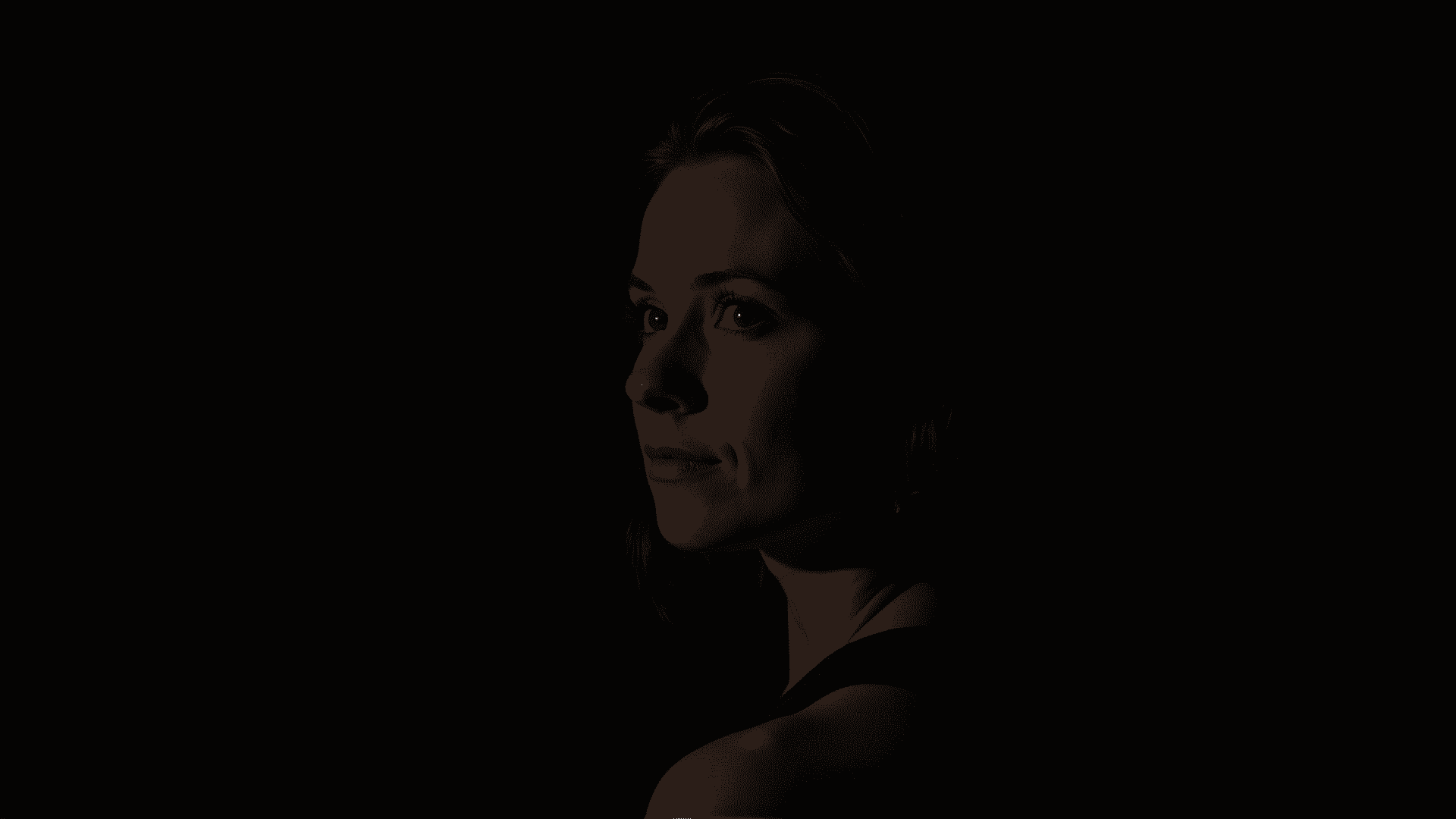
The interplay of light and shadow is a fundamental aspect of photography, dramatically shaping the mood, tone, and depth of images. Understanding and mastering the different types of lighting, both natural and artificial, can elevate your photographs, transforming them into works of art.
Natural light, provided by the sun, is perhaps the most versatile and readily available source. Its quality and character shift throughout the day, offering photographers a rich palette of tones and styles. The golden hour, occurring shortly after sunrise and before sunset, bathes scenes in warm, soft light, enhancing textures and creating deep shadows. Conversely, the period around noon presents harsher light and stark contrasts, which can be used creatively to highlight patterns and shapes.
Cloud cover can act as a natural diffuser, softening the sunlight and creating a more even illumination. This type of light is ideal for portrait photography, reducing harsh shadows and softening facial features. Overcast skies also provide an opportunity to capture colors more faithfully, as the light is evenly distributed across subjects.
On the other hand, artificial lighting offers a realm of controlled environments. Studio lights, such as softboxes and strobes, enable photographers to sculpt light to their exact specifications. These tools allow for precise control over factors like intensity, direction, and diffusion, providing room for experimentation and artistic expression.
Artificial light sources can be manipulated to simulate various natural lighting conditions. For instance, a softbox can be used to mimic the gentle illumination of an overcast day, while directional lighting from a spotlight can replicate the dramatic, focused light of sunrise or sunset. Photographers can also employ colored gels to add mood and dimension, infusing scenes with varying hues and shades.
Beyond simple illumination, the direction and quality of light can profoundly affect a photo's emotional impact. Side lighting adds depth and dimension, accentuating textures and details. It’s especially effective in creating dramatic portraits and landscapes. Backlighting, by contrast, can produce ethereal silhouettes, enhancing the subject's shape while crafting a sense of mystery or intrigue.
In addition, reflectors and diffusers are invaluable tools in shaping light. Reflectors can bounce light onto a subject, filling in shadows and reducing contrast. Diffusers soften harsh light, creating a more gentle and flattering effect. Both these tools are vital for fine-tuning lighting setups, ensuring that the scene’s mood aligns with the photographer’s vision.
Understanding the nuances of lighting is essential for any serious photographer. The mastery of light, both natural and artificial, is not merely about exposure but about storytelling. Each lighting choice communicates a different narrative, enriching the viewer’s experience and fostering a deeper connection with the image.
In conclusion, light is the heart of photography. Its manipulation offers endless opportunities for creativity and expression. By dedicating time to study and experiment with various light sources and techniques, photographers can unlock new dimensions in their work, crafting images that resonate and captivate.