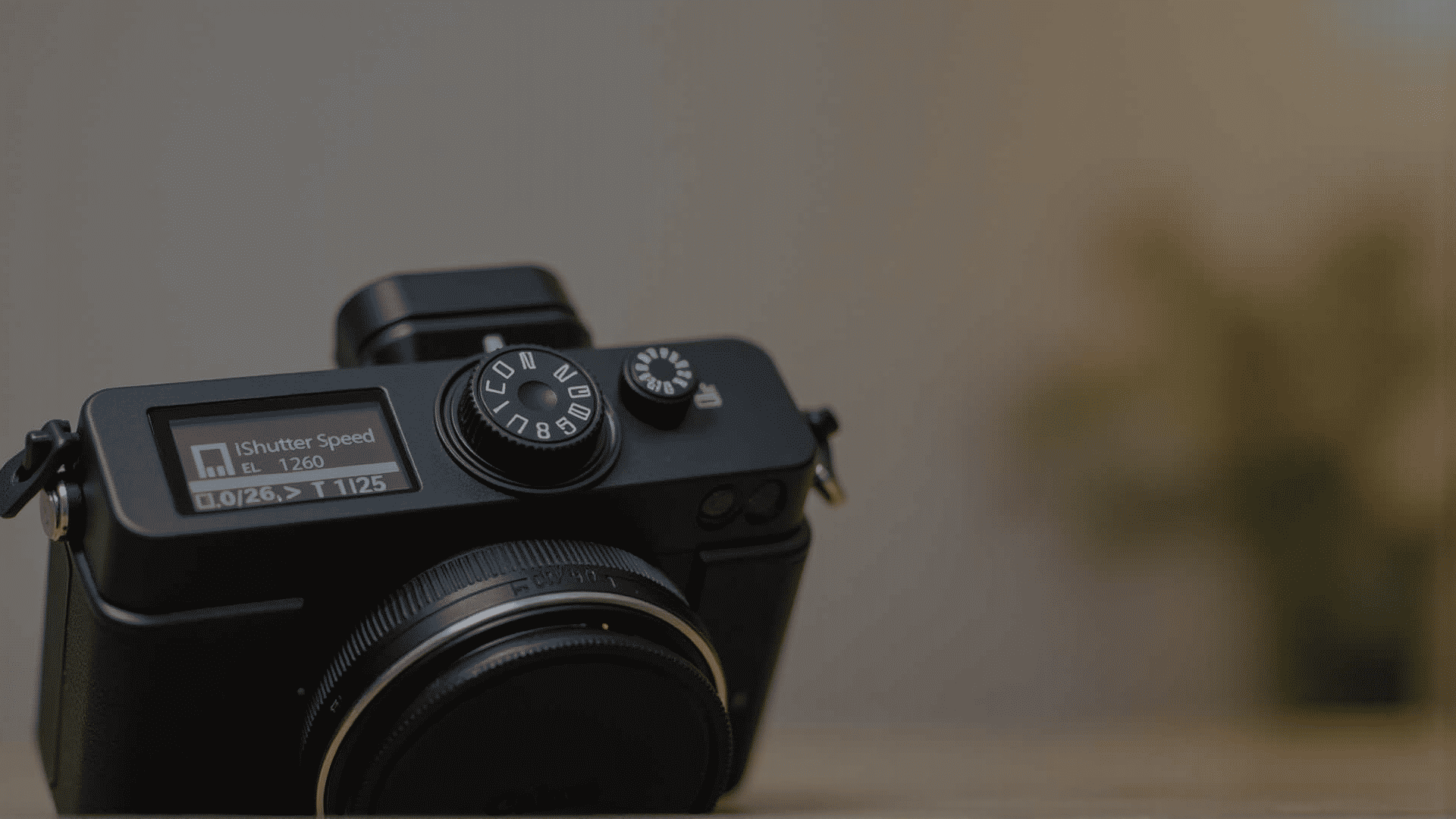
Understanding the interplay of ISO, aperture, and shutter speed is fundamental for anyone interested in capturing high-quality images. These three elements form the cornerstone of photography, often referred to as the "exposure triangle." By mastering these settings, photographers can manipulate light, motion, and depth to suit different shooting scenarios.
ISO: Sensitivity to Light
ISO measures the sensitivity of your camera's sensor to light. A lower ISO value, such as 100 or 200, means the sensor is less sensitive to light, producing images with minimal noise. This setting is ideal for brightly lit conditions or when using a tripod. Conversely, a higher ISO such as 1600 or 3200 increases sensitivity, allowing for better performance in low-light environments. However, this comes at the cost of increased noise, which can reduce image quality. Balancing ISO with the other two settings is crucial to ensure clarity and detail.
Aperture: Depth and Focus
The aperture setting controls the size of the opening in the lens through which light passes to reach the sensor. Represented in f-numbers or f-stops, a low f-stop (e.g., f/1.8) indicates a wide aperture, which lets in more light and creates a shallow depth of field. This effect is perfect for portraits where the background is beautifully blurred, isolating the subject. A higher f-stop (e.g., f/16), in contrast, results in a deeper depth of field, keeping both the foreground and background in focus—a common requirement in landscape photography. Mastering aperture settings allows photographers to enhance or minimize what is in focus.
Shutter Speed: Motion Capture
Shutter speed refers to how long the camera's shutter remains open to expose the sensor to light. A fast shutter speed, such as 1/1000 of a second, is ideal for freezing motion, useful in sports photography or when capturing fast-moving subjects. On the other hand, a slow shutter speed, like 1/10 of a second or slower, is great for conveying motion, such as creating a silky effect with waterfalls or capturing light trails from moving cars at night. When using slow shutter speeds, a tripod is advisable to avoid camera shake, ensuring crisp and stable shots.
Putting It All Together
Adjusting ISO, aperture, and shutter speed in harmony allows photographers to adapt to various lighting conditions, whether capturing the soft glow of sunrise or the dynamic energy of urban nightlife. Experimenting with different combinations in various scenarios will enhance your understanding and ability to produce compelling images that reflect your artistic vision. By gaining fluency in these settings, you can push creative boundaries and transform ordinary scenes into extraordinary visual stories.