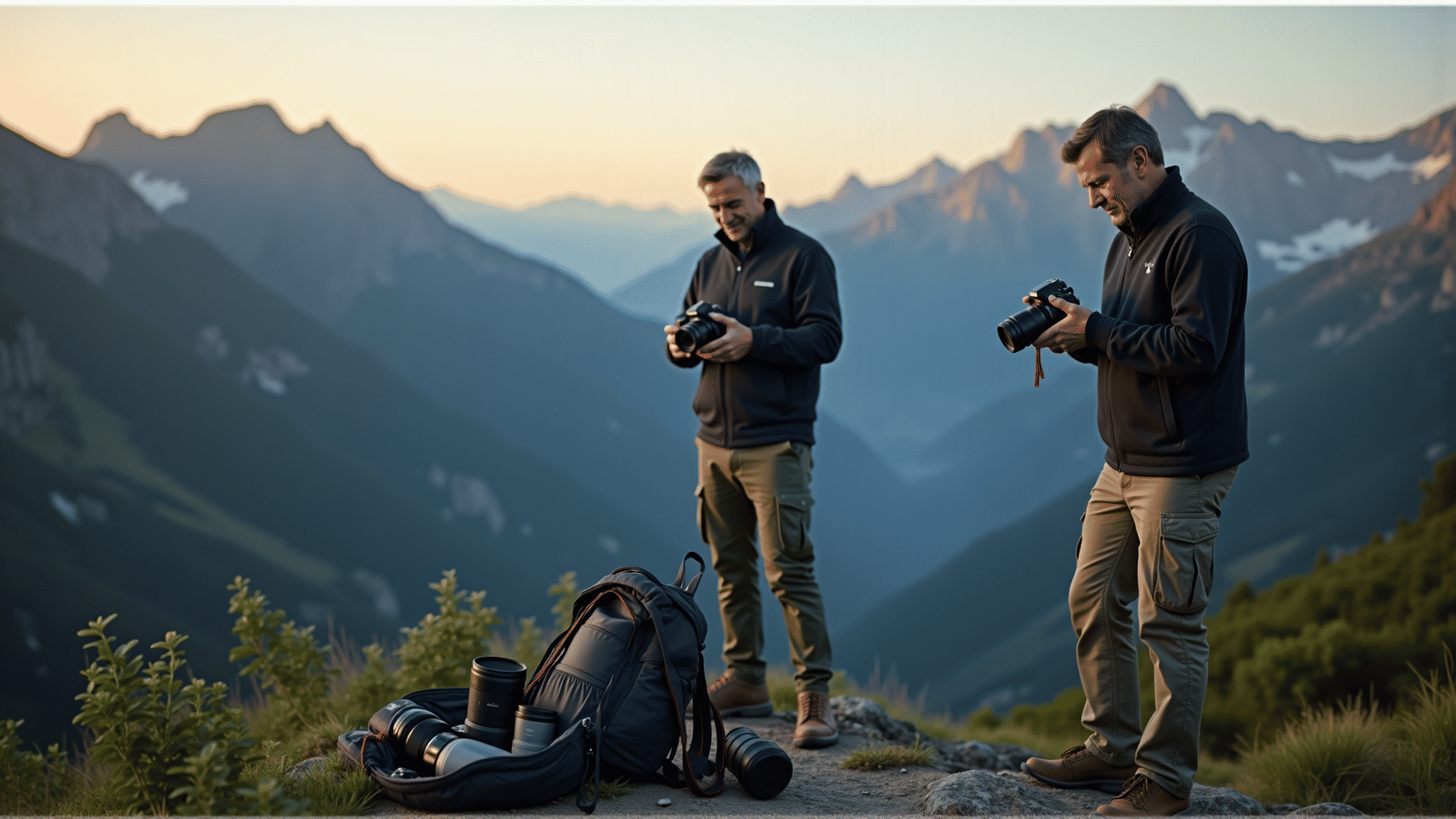
Understanding digital photography provides an exciting opportunity to capture the world in a breathtaking way. With just a few adjustments and a keen eye for detail, anyone can transform ordinary scenes into extraordinary images. This guide will explore the essential aspects of digital photography, focusing on vital camera settings, composition techniques, and how to harness light to your advantage.
1. Get to Know Your Equipment:
The foundation of mastering digital photography lies in understanding your camera. Each camera differs, but they all share fundamental settings. Familiarize yourself with terms like ISO, aperture, and shutter speed. ISO determines your camera's sensitivity to light, aperture controls the size of the lens opening affecting depth of field, and shutter speed dictates how long the camera's sensor is exposed to light. Experiment with these settings to see how they alter your images.
2. The Art of Composition:
Composition is a crucial element in photography, dictating how a picture is framed and guiding the viewer’s eye through the shot. A powerful technique is the Rule of Thirds, which involves dividing your frame into nine equal segments and placing your subject along these lines or intersections. This creates dynamic and engaging images. Leading lines, symmetry, and patterns are additional composition techniques that add interest and focus to your photos.
3. Mastering Light:
Light is the essence of photography, and learning to control it is vital. The time of day can greatly influence the mood and quality of your images; for instance, the golden hours during sunrise and sunset produce soft, warm hues. Understand how to use natural and artificial light sources, and consider investing in reflectors or diffusers to manipulate light conditions further.
4. Understanding White Balance:
White balance adjusts for different lighting situations to ensure that colors appear more natural. Your camera might offer several presets like daylight, tungsten, and fluorescent. Each setting is designed to correct the color cast that different lighting conditions can cause, ensuring that your images reflect true-to-life colors.
5. The Importance of Focus:
Sharp focus is a significant factor that can make or break an image. Camera modes like single-point autofocus allow you to concentrate precisely on your subject, ensuring clarity. Practice switching between manual and autofocus, as different situations may call for different focusing techniques. For portraits, make sure the model’s eyes are crisply in focus to convey emotion.
6. Exploring Post-Processing:
Digital photography doesn't stop at capturing the image. Post-processing allows for refining and enhancing your shots. Applications such as Adobe Lightroom or other editing software provide tools to fine-tune exposure, contrast, and colors. Remember, these tools are there to complement your work, not to correct fundamental mistakes made during shooting.
7. Developing Your Style:
As with any art form, developing a personal style in photography takes time and practice. Challenge yourself to explore various themes and subjects, from landscapes to portraits to abstract imagery. Reviewing and learning from others’ work can also inspire new techniques and approaches.
8. Practice and Patience:
Ultimately, the road to mastering digital photography is paved with consistent practice and patience. Regularly challenge yourself with new projects, experiment in different environments, and remain open to learning. Over time, you'll see improvement in your skills and confidence in your photography.
By understanding your equipment, honing your skills in composition, lighting, and focus, and allowing yourself the creative freedom to explore, you'll be well on your way to capturing stunning images and mastering the art of digital photography. Remember, every picture tells a story—make yours compelling.